The Kansas City Chiefs didn’t just survive the post-Mahomes transition—they’re thriving. After a calculated and aggressive 2026 NFL Draft, the Chiefs have vaulted into the top three of most NFL power rankings, validating a long-term vision that prioritizes offensive continuity and defensive versatility. Meanwhile, the San Francisco 49ers, despite landing a handful of high-upside talents, are drawing criticism for a familiar habit: reaching on prospects in the early rounds.
The 2026 draft was supposed to be about long-term planning. Instead, it highlighted two franchises approaching roster building from opposite ends of the spectrum—one methodical and adaptable, the other stubborn and sentimental.
Chiefs' Draft Strategy: Precision Over Hype
The Chiefs entered the 2026 draft with clear needs: a true pass rusher, a boundary cornerback, and a developmental quarterback to eventually succeed Patrick Mahomes. They addressed all three without sacrificing assets or overextending.
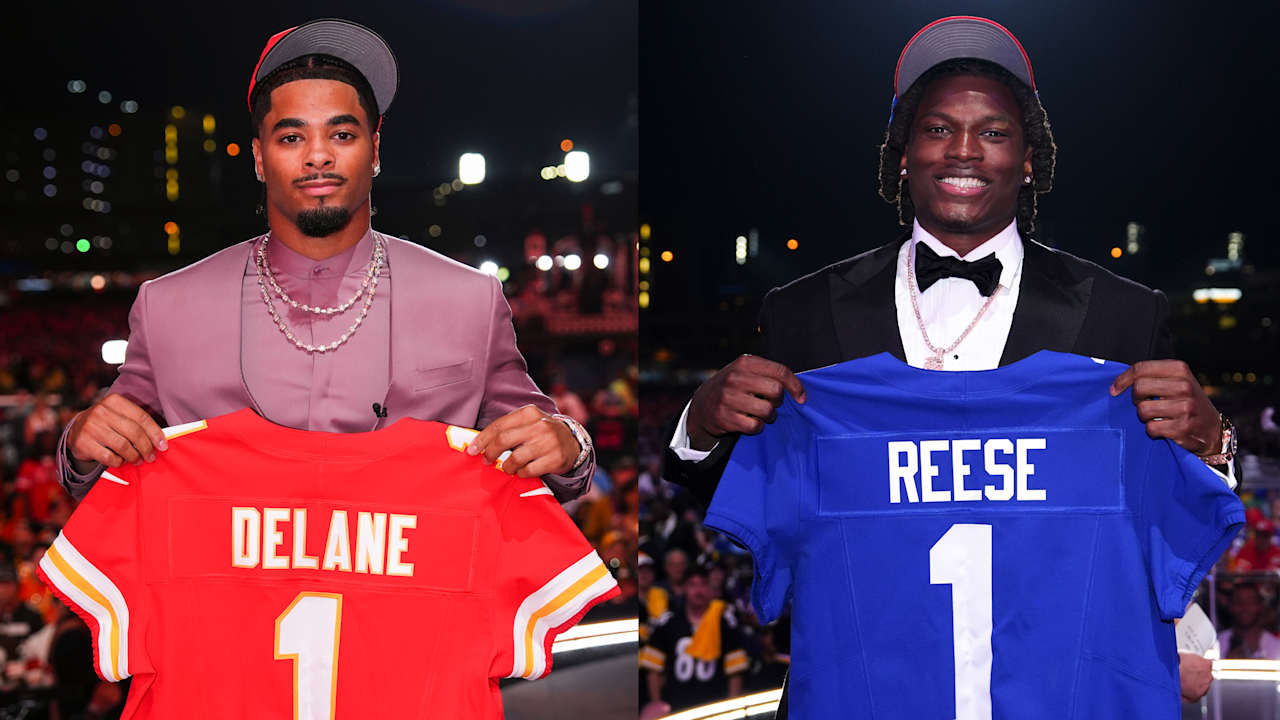
At No. 22 overall, Kansas City selected Jalen Reeves, a dynamic edge rusher from Tennessee known for his closing speed and bend around the arc. Reeves posted a 98th percentile SPARQ score and demonstrated elite hand-fighting technique at the Combine. He isn’t a finished product, but his ceiling aligns with the Chiefs’ history of developing defensive linemen into difference-makers.
In the second round, they grabbed Malik Branch, a 6’1”, 198-pound cornerback from Oregon with elite ball skills and press coverage experience. Branch’s 4.38 40-time and 42” vertical made him one of the draft’s most athletic DBs—perfect for a secondary needing youth and range.
But the most debated pick came at No. 59: Caleb Everett, a pocket-passing QB from Purdue. Critics called it early—Mahomes is still under contract through 2027—but the move signals long-term intent. Everett has pro-style mechanics, excellent pre-snap processing, and a quick release, making him ideal for the Chiefs’ system. He’s not a plug-and-play star, but he’s a low-risk, high-upside developmental piece.
Why These Picks Work for Kansas City
- System Fit Over Flash: Unlike some teams chasing one-dimensional athletes, the Chiefs prioritized players who mirror existing schematics. Reeves fits Steve Spagnuolo’s aggressive fronts; Branch thrives in off-man and trail technique.
- Draft Capital Efficiency: They traded down twice in the third round, acquiring extra Day 3 picks to bolster special teams and depth.
- Future-Proofing at QB: While Everett may never start, grooming a successor inside the system reduces future instability.
49ers Reaching Again: A Pattern of Overvaluation
San Francisco entered the 2026 draft with seven picks and legitimate Super Bowl aspirations. But their selections—particularly in Rounds 1 and 2—have raised eyebrows across NFL front offices.
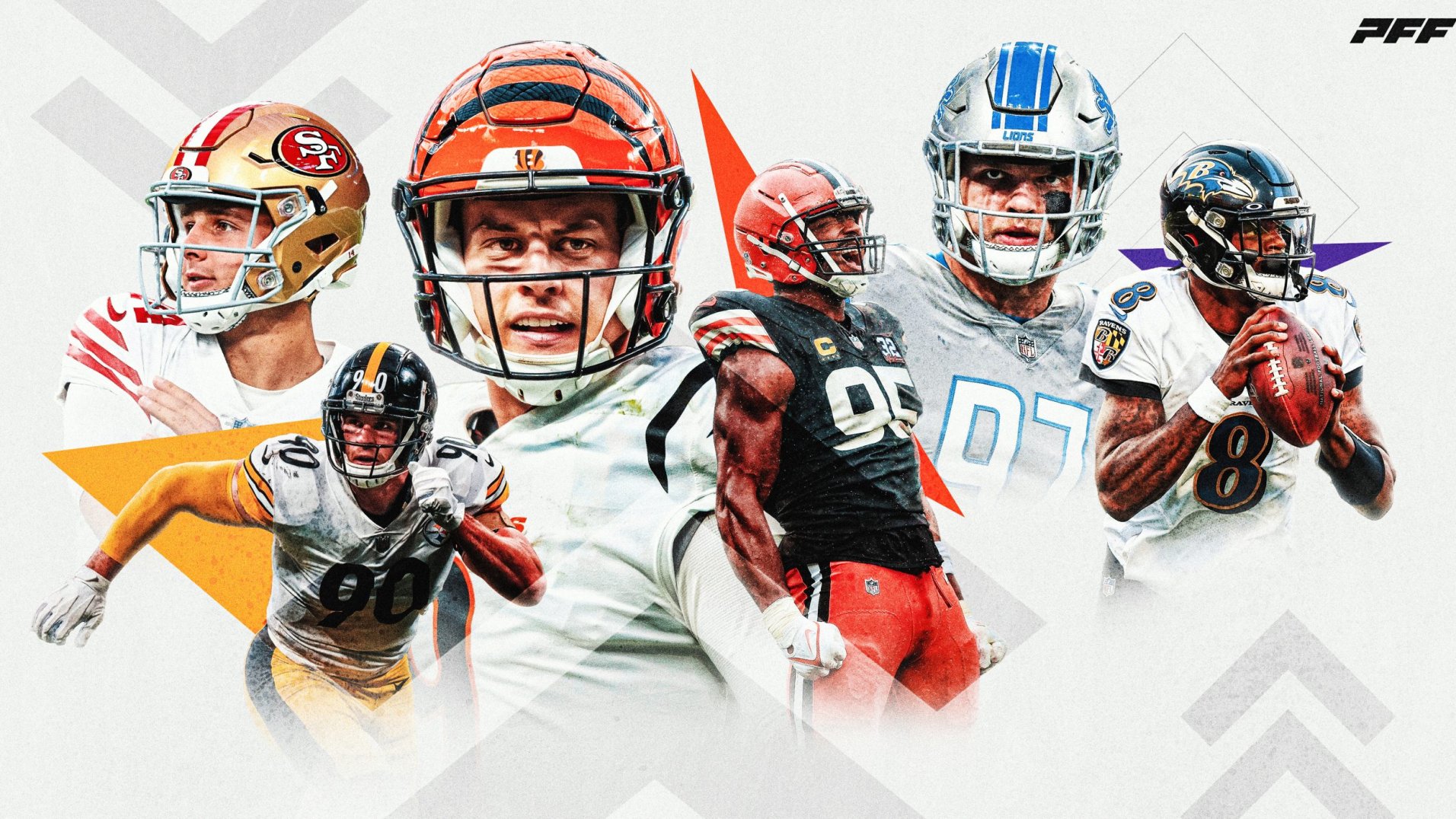
With the 18th pick, the 49ers selected Dylan Reyes, a 6’4” tight end from USC. On paper, Reyes has the size and red-zone ability to be a matchup nightmare. In reality, he ran a 4.72 40, struggled against press coverage, and dropped 12 passes in his final season. He was widely graded as a third- or fourth-round talent.
Then, in the second round, they took Jordan Wilkes, a linebacker from Duke, at No. 50. Wilkes is a smart, disciplined player—but he lacks the burst to cover NFL tight ends and tested below average in agility drills. Analysts projected him as a Day 3 pick due to limited upside.
These selections follow a disturbing trend. Since 2020, the 49ers have selected five players in the first two rounds that were at least two rounds above their consensus big-board value. The results? Only one—George Karlaftis (2022, traded in 2025)—developed into a starter. The rest are backups or waived.
The Cost of Reaching
- Opportunity Cost: Taking Reyes at 18 meant passing on safer, higher-ceiling players like edge rusher Trey Norman or safety Darius Floyd.
- Depth Neglect: The 49ers ignored needs at safety and interior offensive line, positions that plagued them in the playoffs.
- Culture of Exceptionalism: There’s a growing belief in Santa Clara that they “know better” than consensus evaluations—a dangerous mindset.
Power Rankings Shift: Chiefs Up, 49ers Hanging On
Post-draft power rankings reflect the diverging trajectories. Here’s how the top tier shapes up:
| Rank | Team | Reason |
|---|---|---|
| 1 | Kansas City Chiefs | Draft fit, QB continuity, defensive upgrades |
| 2 | Buffalo Bills | Retained key free agents, solid draft haul |
| 3 | San Francisco 49ers | Talent-rich roster, but draft missteps loom |
| 4 | Detroit Lions | Strong core, minimal draft impact |
| 5 | Baltimore Ravens | Lamar Jackson extension, rookie RB upside |
The Chiefs’ rise isn’t just about the draft—it’s about how they’ve managed transition. While other contenders are reacting to age and attrition, Kansas City is three moves ahead.
The 49ers, meanwhile, remain talented enough to compete. Brock Purdy is healthy, Deebo Samuel and George Kittle are still elite, and the defensive front is fearsome. But their draft strategy undermines sustainability.
Evaluating Draft Reach: When Is It Justified?
“Reaching” isn’t inherently bad. Every team does it—sometimes it works. The key is understanding why a player is falling and whether the team can mitigate the risk.
Valid Reasons to Reach
- Scheme Fit Exception: A player who doesn’t test well but thrives in a specific system (e.g., Tom Brady, undrafted but system-perfect for Belichick).
- Medical Clears: A top talent passed over due to injury risk, but your medical team gives a clean bill.
- Character Certainty: A player with off-field concerns that your culture can manage (e.g., Warren Sapp, drafted by Tampa despite red flags).
When Reaching Fails
- Overvaluing Size/Tools: The 49ers’ Reyes pick is a classic example—big and strong, but slow and unreliable.
- Ignoring Positional Value: Spending a top-50 pick on a linebacker in a pass-heavy league is increasingly questionable.
- Front Office Ego: Believing you’ve “cracked the code” on a player the rest of the league passed on.
The Chiefs avoided all three. The 49ers flirted with each.
Long-Term Outlook: Sustainability vs. Short-Term Hopes
The 2026 draft wasn’t just about adding talent—it was a referendum on organizational philosophy.
Kansas City’s approach reflects a franchise built on adaptability. Andy Reid and Brett Veach have consistently adjusted their roster without overhauling identity. They accept that Mahomes won’t play forever and are ensuring the transition is seamless. Their draft didn’t solve every problem, but it addressed them in a cost-effective, low-risk way.
San Francisco, in contrast, is doubling down on its core with diminishing returns. They’re betting that Purdy, Kittle, and Nick Bosa can carry them through another playoff run. But with fewer draft assets, aging stars, and questionable depth, that window may be closing faster than they admit.
Realistic 2026 Scenarios
- Chiefs: Finish 12–5, secure AFC’s No. 2 seed, win divisional round, lose in AFC Championship.
- 49ers: Finish 10–7, sneak into playoffs as wild card, lose in first round due to defensive lapses.
Neither outcome would be surprising. But the path forward for each team is starkly different.
The Bigger Picture: Draft Capital and Organizational IQ
The NFL is no longer just about winning games—it’s about winning decisions. Teams that manage draft capital wisely compound advantages over time.
The Chiefs traded down in 2024 and 2026, accumulating extra picks while still landing impact players. That’s smart asset management.
The 49ers, however, have traded up in three of the last five drafts—often to select players with limited long-term upside. They’ve mortgaged future flexibility for marginal gains.
In a league where parity is enforced by design, those small decision gaps become chasms over time.
Final Verdict: Chiefs Build, 49ers Borrow
The 2026 draft didn’t create new contenders—it clarified them.
The Kansas City Chiefs are rising not because they made flashy picks, but because they made right ones. They reinforced weaknesses, preserved capital, and positioned themselves for life after Mahomes.
The San Francisco 49ers remain dangerous—but their tendency to reach on prospects exposes a deeper issue: a lack of patience and process discipline. Talent can mask flaws for a season or two. But in a league where margins are razor-thin, sustainable success comes from consistency, not exceptions.
For fans and analysts alike, the takeaway is clear: the Chiefs aren’t just winning now. They’re building to win later. The 49ers? They’re still hoping the present lasts forever.
Act now: Re-evaluate your roster-building assumptions. Value fit over flash, process over outcome, and long-term vision over short-term gratification. That’s how you stay at the top.
FAQ
Why are the Chiefs rising in power rankings after the draft? They addressed key needs with high-upside, system-fit players while maintaining draft capital—showcasing elite roster management.
Did the 49ers make mistakes in the 2026 draft? Yes. Selecting a tight end and linebacker in the top 50—both graded as Day 3 talents—represents reaching and ignored pressing positional needs.
Is drafting a QB early a smart move for the Chiefs? Not urgent, but prudent. Caleb Everett is low-cost insurance and can develop within Andy Reid’s system, avoiding a future crisis.
Can the 49ers still compete in 2026? Yes, thanks to their core stars. But lack of depth and questionable draft value could hurt them in close playoff games.
What does “reaching” mean in the NFL Draft? Picking a player significantly earlier than their consensus talent evaluation—often due to team-specific bias or desperation.
How do draft decisions impact long-term success? Smart drafting builds depth, saves cap space, and ensures continuity. Poor decisions create roster holes and limit future flexibility.
Are the Chiefs the favorites for the Super Bowl? Not yet—but their combination of coaching, QB stability, and draft efficiency makes them a top contender in the AFC.