Safety doesn’t start with policy—it starts with conversation. Every morning on job sites across industries, teams gather for a few minutes to align on hazards, reinforce procedures, and prevent incidents. These aren’t formal training sessions, but they’re no less critical. They’re toolbox talks—and their effectiveness hinges on one thing: relevance.
A toolbox talk topics doc isn’t just a checklist. It’s a strategic tool that shapes safety culture, ensures regulatory compliance, and addresses real-world risks before they turn into injuries. Yet many teams still rely on the same outdated topics: “hard hats,” “gloves,” “slips and falls.” While important, these discussions often miss the mark when they fail to adapt to changing conditions, new equipment, or emerging behaviors.
This guide cuts through the noise. It delivers actionable, high-impact toolbox talk topics, real-world examples, and practical delivery strategies—all built around what actually works in the field.
Why Most Toolbox Talks Fail
Toolbox talks fail not because they’re unnecessary, but because they’re mismanaged. A common mistake? Treating them as compliance theater. When supervisors read from a script without connecting to the day’s work, engagement drops, and so does retention.
Other recurring issues:
- Generic content: Talking about fall protection on a day with no elevated work wastes time.
- One-way delivery: Monologues don’t invite participation. Workers tune out.
- No follow-up: No accountability means no behavior change.
- Poor timing: Holding talks after work has already started reduces focus.
A strong toolbox talk topics doc avoids these pitfalls by being dynamic, contextual, and focused on immediate risk.
Consider this: a crew begins installing HVAC units on a rooftop. The previous day’s talk was about electrical safety—but not one word was said about harness anchor points or weather delays. That disconnect is where incidents begin.
Core Principles of Effective Toolbox Talks
Before diving into topics, understand the mechanics of what makes a talk stick.
#### Keep It Short and Focused Aim for 5–10 minutes. One topic per session. More than that and attention wanes.
#### Make It Relevant Align the topic with the day’s tasks. If workers are excavating, talk about soil classification and trenching hazards—not PPE in general.
#### Encourage Participation Ask open-ended questions: - “What near misses have you seen with this equipment?” - “Where do you feel most exposed on this task?”
Responses reveal blind spots and build ownership.
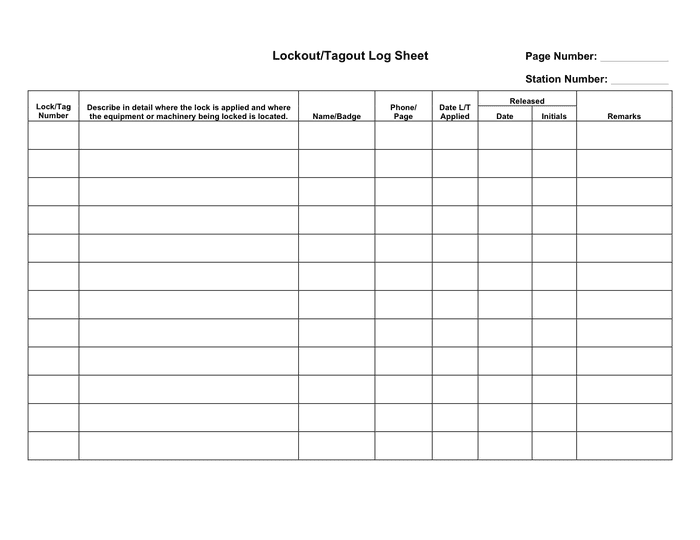
#### Document and Track Use a toolbox talk topics doc to record attendance, topic, and any action items. This creates a compliance trail and helps identify recurring risks.
#### Reinforce, Don’t Lecture It’s not about delivering information—it’s about reinforcing behaviors. Use real examples from the site whenever possible.
10 High-Impact Toolbox Talk Topics (With Examples)
These topics are proven to reduce incidents because they address frequent, high-consequence risks.
#### 1. Hazard Identification Before Task Start Use Case: Crew arrives at a confined space entry point. Discussion Points: - What changed since yesterday? (e.g., weather, equipment, access) - What unseen hazards might exist? (gas, structural instability) - Who verifies controls are in place?
Pro Tip: Use a “scan-and-share” approach—each worker calls out one hazard they see.

#### 2. Proper Ladder Use and Inspection Use Case: Electricians setting up for ceiling work. Discussion Points: - 3-point contact rule - Maximum load limits - Daily inspection for cracks or loose rungs
Mistake to Avoid: Leaning too far instead of repositioning the ladder.
#### 3. Excavation and Trenching Safety Use Case: Utility crew digging a 6-foot trench. Discussion Points: - Soil type and cave-in risk - Protective systems (shoring, shielding, sloping) - Emergency rescue plan
Critical Reminder: Never enter a trench without a competent person’s approval.
#### 4. Electrical Safety Around Overhead Lines Use Case: Crane operation near power lines. Discussion Points: - Minimum clearance distances (10 ft for up to 50kV) - Spotter responsibilities - What happens if contact occurs
Real Consequence: One contractor died after a crane boom touched a line—despite a prior talk that wasn’t task-specific.
#### 5. Hot Work and Fire Prevention Use Case: Welding in a mechanical room. Discussion Points: - Fire watch requirements (30-minute post-work monitoring) - Flammable material removal - Permit process review
Checklist Item: Confirm fire extinguisher is on site and charged.
#### 6. Working at Heights: Fall Protection Systems Use Case: Rooftop solar panel installation. Discussion Points: - Anchor point testing - Harness fit and inspection - Rescue plan for suspended workers
Limitation Warning: A harness prevents falls—but not injuries from suspension trauma if no rescue follows quickly.
#### 7. Hand Tool Safety and Maintenance Use Case: Carpentry crew using grinders, saws, and drills. Discussion Points: - Inspecting for frayed cords or damaged guards - Using the right tool for the job (e.g., no screwdriver as a chisel) - Storage and transport
Common Mistake: Using dull blades, which increases kickback risk.
#### 8. Slips, Trips, and Housekeeping Use Case: Manufacturing floor with frequent material movement. Discussion Points: - Clear walkways and marked pathways - Spill response protocol - Tool storage discipline
Engagement Tactic: Ask workers to point out one housekeeping issue in the area.
#### 9. Heat Stress and Hydration Use Case: Summer work in direct sun. Discussion Points: - Early signs of heat exhaustion (dizziness, nausea) - Water intake goals (1 cup every 15–20 minutes) - Acclimatization for new workers
Critical Reminder: Hydration starts before the shift—not when you’re thirsty.
#### 10. Near Miss Reporting Culture Use Case: After a load shifted during rigging but didn’t drop. Discussion Points: - Why reporting prevents future incidents - How to report (form, app, supervisor) - No-blame policy reinforcement
Culture Tip: Share a recent near miss and how it led to a process change.
How to Structure a Toolbox Talk Topics Doc
A static list won’t cut it. Your document should be adaptable and traceable.
#### Recommended Format:
| Date | Topic | Crew Leader | Attendees | Key Takeaways | Actions Needed |
|---|---|---|---|---|---|
| 4/5 | Trench Shoring | J. Rivera | 8 workers | Verified soil type B, installed shields | Add barrier tape |
| 4/6 | Heat Stress | K. Patel | 6 workers | Water stations restocked | Schedule midday breaks |
This format ensures accountability and enables trend analysis.

#### Digital vs. Paper Many teams now use apps like SiteDocs, iAuditor, or SafetyCulture to log talks. Benefits include: - Automated reminders - Photo evidence - Cloud backup for audits
But if using paper, ensure binders are stored on-site and updated daily.
Common Mistakes in Toolbox Talk Delivery
Even with strong topics, execution can ruin impact.
1. Repeating the Same Topics Monthly OSHA doesn’t require repetition—it requires relevance. Rotate based on project phase, season, and incident trends.
2. Skipping Talks During Rush Periods High-pressure days are when safety is most needed. Never sacrifice the talk to “save time.”
3. Letting the Same Person Lead Every Time Rotate facilitators. Junior workers gain confidence, and supervisors hear fresh perspectives.
4. Ignoring Worker Feedback If a worker says a procedure feels unsafe, log it—even if you don’t act immediately. Acknowledgment builds trust.
5. Failing to Link to Broader Safety Systems A toolbox talk shouldn’t live in isolation. Connect it to JSA reviews, incident reports, and safety audits.
Industry-Specific Topic Adjustments
While core risks overlap, topics must reflect context.
Construction: Focus on fall protection, crane ops, and scaffolding. Manufacturing: Emphasize machine guarding, lockout/tagout, and ergonomics. Utilities: Prioritize arc flash, confined space, and live-line work. Oil & Gas: Stress permit-to-work systems, H2S exposure, and emergency shutdowns.
For example, a wind turbine maintenance team needs talks on blade entry procedures and rescue from nacelles—risks rarely seen in commercial construction.
Making Your Toolbox Talk Topics Doc a Living Document
The best documents evolve.
Update triggers include: - New equipment arrival - Change in weather patterns - Regulatory updates (e.g., OSHA revisions) - Incident or near miss - Introduction of subcontractors
Review the doc quarterly. Remove outdated topics. Add emerging risks like drone use near cranes or cybersecurity in connected tools.
Assign ownership. One person should manage the schedule, but content should come from leads, workers, and safety officers.
Closing: Act, Don’t Archive
A toolbox talk topics doc only works if it’s used—not filed away. The goal isn’t just compliance. It’s clarity. It’s creating moments where workers pause, assess, and protect each other.
Start tomorrow: pick one high-risk task, pull the crew together, and ask: “What could go wrong here—and how do we stop it?” Then document it, act on it, and repeat.
That’s how safety becomes second nature.
FAQ
What should be included in a toolbox talk topics doc? A structured list of safety topics, scheduled by project phase, with space for date, facilitator, attendees, key points, and follow-up actions.
How often should toolbox talks be held? At least weekly, or daily in high-risk environments. Frequency should match risk level and work changes.
Who can lead a toolbox talk? Supervisors, safety officers, or trained crew members. Leadership should rotate to promote engagement.
Are toolbox talks mandatory? They’re not always legally required, but OSHA and other regulators expect documented safety communications, especially in high-hazard industries.
Can toolbox talks reduce incident rates? Yes. Studies show regular, relevant safety talks correlate with lower injury rates by increasing awareness and accountability.
Should toolbox talks be recorded? Yes. Written logs or digital records prove compliance and help track recurring hazards.
How do you keep workers engaged during a talk? Use real examples, ask questions, encourage stories, and keep it under 10 minutes with a clear focus.
FAQ
What should you look for in Top Toolbox Talk Topics for Safer Workplaces? Focus on relevance, practical value, and how well the solution matches real user intent.
Is Top Toolbox Talk Topics for Safer Workplaces suitable for beginners? That depends on the workflow, but a clear step-by-step approach usually makes it easier to start.
How do you compare options around Top Toolbox Talk Topics for Safer Workplaces? Compare features, trust signals, limitations, pricing, and ease of implementation.
What mistakes should you avoid? Avoid generic choices, weak validation, and decisions based only on marketing claims.
What is the next best step? Shortlist the most relevant options, validate them quickly, and refine from real-world results.